
How to Choose the Right Pool Builder—and Avoid Costly Mistakes
Choosing a swimming pool builder isn’t simply about finding someone who can excavate a hole, pour concrete, and install equipment. You’re selecting a construction partner who will be responsible for one of the most significant improvements you’ll ever make to your home. The company you choose will influence not only how your pool looks on the day it’s completed, but also how it performs, how much it costs to maintain, and how much your family enjoys it over the next twenty or thirty years.
A custom swimming pool is a substantial investment, and unlike many home improvement projects, almost every component is permanent. Structural steel is buried beneath concrete. Plumbing disappears underground. Electrical systems, hydraulics, drainage, and engineering are hidden from view but determine whether your pool performs beautifully for decades or develops expensive problems years later. Most homeowners will build only one swimming pool in their lifetime, so it’s understandable that they don’t always know which questions to ask before signing a contract.
In San Diego County, homeowners have dozens of companies to choose from. Many have impressive websites, polished brochures, and beautiful project galleries. While those are valuable resources, photographs alone don’t tell you how a company communicates, solves problems, manages construction schedules, or stands behind its work after completion.
For more than 75 years, Catalina Pools, based in National City, has designed and built custom residential and commercial swimming pools throughout San Diego County. During that time, we’ve helped thousands of families create beautiful outdoor spaces, and we’ve also renovated pools originally built by others. That unique perspective has taught us something important: the quality of a swimming pool almost always reflects the quality of the questions asked before construction ever begins.
Whether you’re planning a modern backyard retreat, a resort-inspired entertainment space, or a commercial aquatic facility, these ten questions will help you compare pool builders with confidence and make a decision you’ll feel good about for years to come.
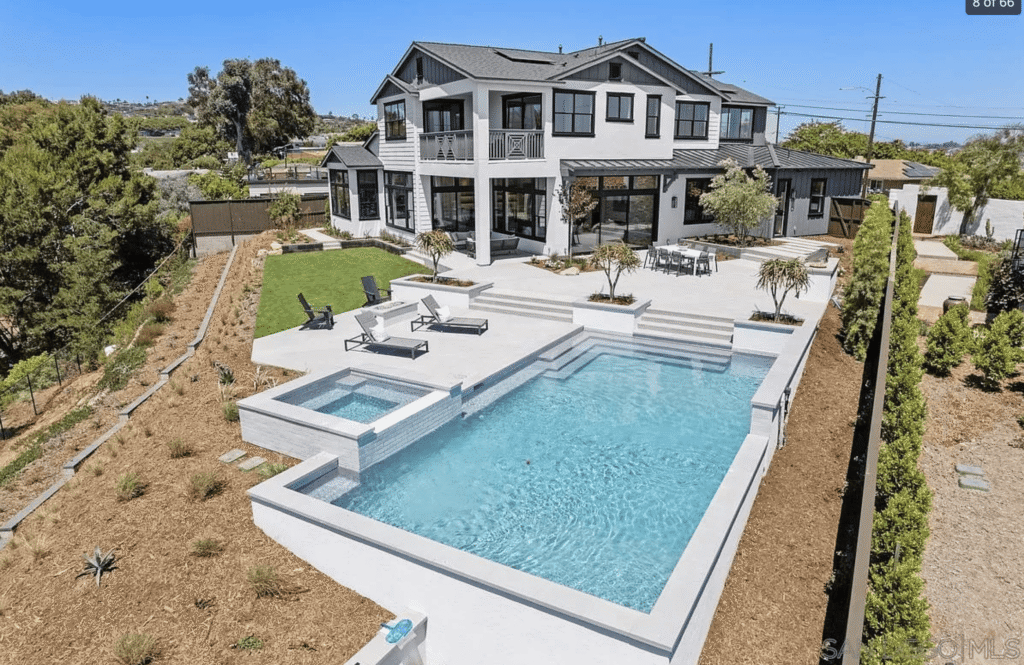
What Should You Ask Before Hiring a Pool Builder?
If you’re comparing swimming pool builders, don’t focus solely on price. Ask about experience, licensing, project management, communication, warranties, construction methods, equipment recommendations, permitting, references, and how unexpected challenges are handled. The builder’s answers will often tell you far more about the quality of your future pool than photographs or marketing materials ever could.
Why Choosing the Right Pool Builder Matters More Than Most Homeowners Realize
Building a swimming pool is one of the most complex residential construction projects you’ll undertake. Unlike remodeling a kitchen or replacing flooring, a pool requires numerous specialized trades working together in the proper sequence. Excavation crews, engineers, steel installers, plumbers, electricians, tile setters, decking specialists, equipment technicians, inspectors, and landscape contractors all play a role in creating the finished product.
Each phase depends on the quality of the work completed before it.
If plumbing is installed incorrectly, equipment performance may suffer for years. If structural steel isn’t properly engineered, the pool’s integrity can be compromised. Poor drainage around the pool can eventually affect decking, landscaping, or even nearby structures. These aren’t issues you’ll notice during the first week after construction—they’re issues that may appear years later.
An experienced pool builder understands these relationships because they’ve managed hundreds or thousands of projects before yours. They know which shortcuts eventually become expensive repairs and which investments create long-term value for homeowners.
That’s why choosing a builder should never be based on price alone. You’re not simply purchasing a swimming pool—you’re investing in decades of performance, reliability, and peace of mind.
Catalina Expert Insight
One of the biggest misconceptions homeowners have is that every swimming pool is built the same way. In reality, two pools may look nearly identical on the surface while being dramatically different beneath it. Engineering, plumbing layout, hydraulic design, steel placement, equipment selection, and construction oversight are what determine how that pool performs ten or twenty years from now.
How Long Have You Been Building Swimming Pools?
This question may sound obvious, but many homeowners stop after hearing a company’s founding date. A better approach is to understand what that experience actually means.
Experience isn’t measured only in years—it’s measured in the variety of projects completed, the challenges overcome, and the lessons learned along the way.
Consider two seemingly identical backyards. One may have stable soil and easy equipment access. The other may contain expansive clay, buried utilities, limited access between homes, or drainage issues that require additional engineering. An experienced swimming pool builder has likely encountered each of these conditions many times before and understands how to adapt without compromising the project.
Local experience is equally important.
Building swimming pools throughout San Diego County requires familiarity with varying soil conditions, hillside construction, coastal environments, municipal permitting requirements, and HOA guidelines. Every city has slightly different review processes and inspection procedures. A builder who works regularly throughout the region understands how to navigate those requirements efficiently.
Why This Matters
A company that has built thousands of pools has encountered situations that newer builders may experience for the first time on your project. That accumulated knowledge often prevents delays, reduces costly mistakes, and produces a smoother construction experience.
Catalina Pools’ Approach
For more than 75 years, Catalina Pools has built custom residential and commercial swimming pools across San Diego County. From luxury backyard retreats to apartment communities, hotels, schools, and commercial aquatic facilities, every completed project adds another layer of experience that benefits future homeowners.
That experience doesn’t mean we’ve seen everything—it means we’ve learned how to solve problems thoughtfully, communicate honestly, and plan projects thoroughly before construction begins.
